Address
304 North Cardinal St.
Dorchester Center, MA 02124
Work Hours
Monday to Friday: 7AM - 7PM
Weekend: 10AM - 5PM

Address
304 North Cardinal St.
Dorchester Center, MA 02124
Work Hours
Monday to Friday: 7AM - 7PM
Weekend: 10AM - 5PM

This post contains affiliate links. We may earn a small commission at no extra cost to you.
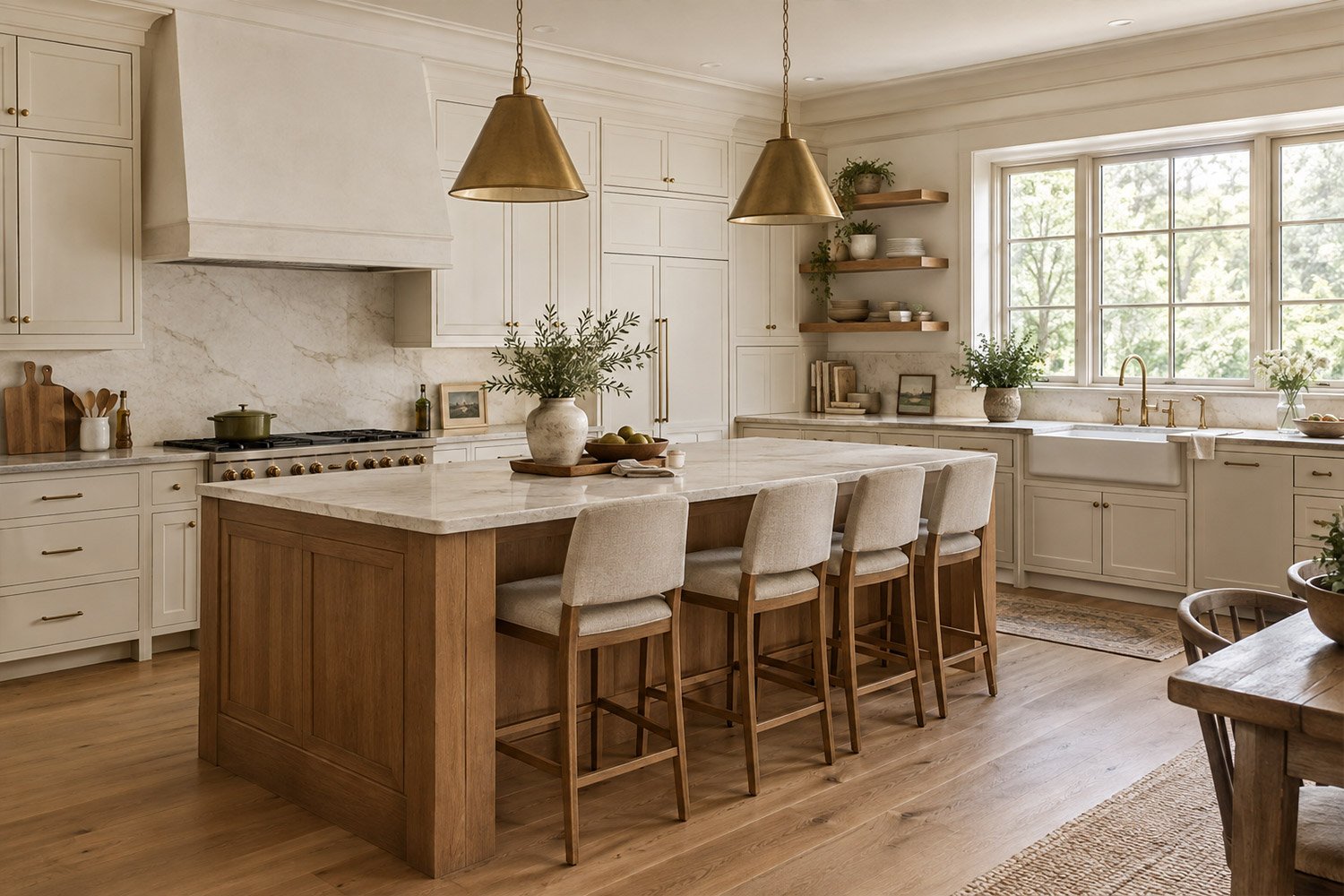
A well-designed kitchen should feel beautiful while making everyday cooking, serving, and gathering easier. The best kitchen designs balance practical layouts with thoughtful materials, lighting, storage, and decorative details. Whether you are refreshing an existing kitchen or planning a larger update, these kitchen design ideas can help create a space that feels polished, welcoming, and genuinely usable.
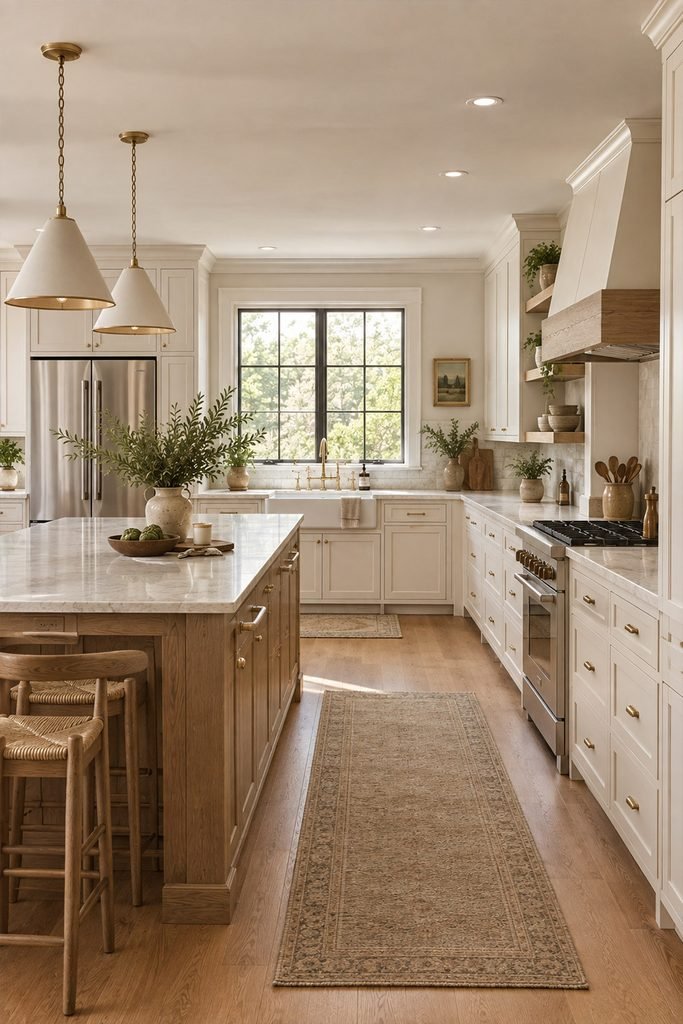
Start with the layout before choosing finishes or decorations. A well-planned kitchen should make the movement between the refrigerator, sink, cooktop, and main preparation areas feel natural. Keep frequently used appliances and utensils within easy reach, while allowing enough open counter space for food preparation. In smaller kitchens, a single-wall or galley layout can work beautifully when storage is carefully planned, while larger rooms can benefit from an island that creates a practical central workspace without interrupting the flow.
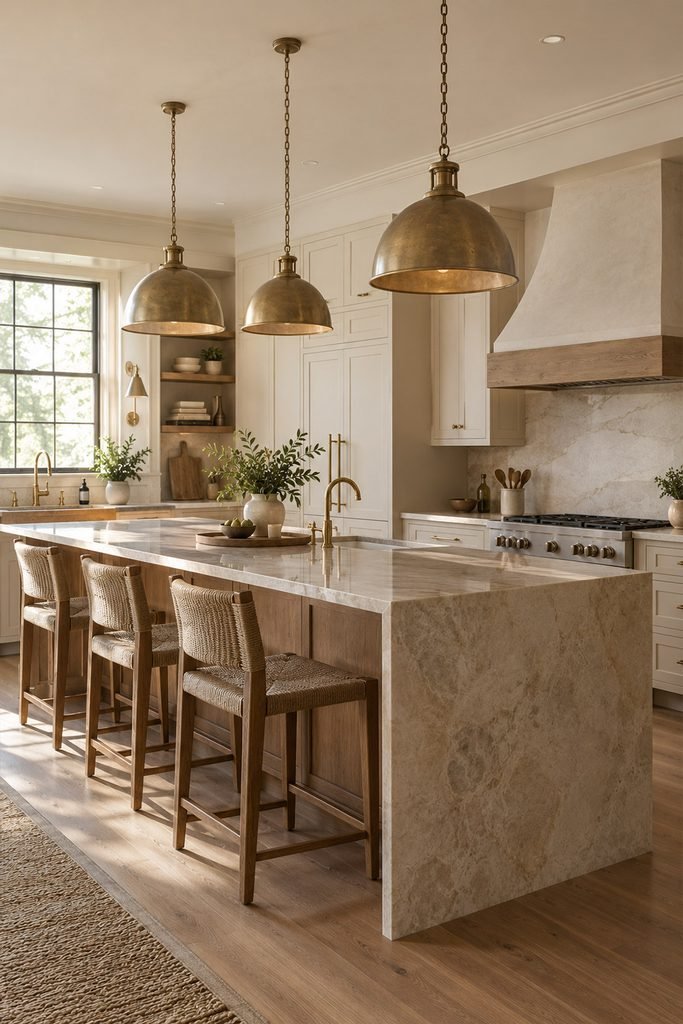
Kitchen lighting can completely change the character of the room, especially when it combines practical illumination with a decorative focal point. Consider pendant lights above an island or peninsula, understated ceiling fixtures for general lighting, and under-cabinet lighting for countertops. For a sophisticated look, choose fixtures with materials that complement the rest of the kitchen, such as aged brass, matte black, brushed metal, or natural woven shades.
👉 [ Shop Pendant Light Fixtures on Amazon ]
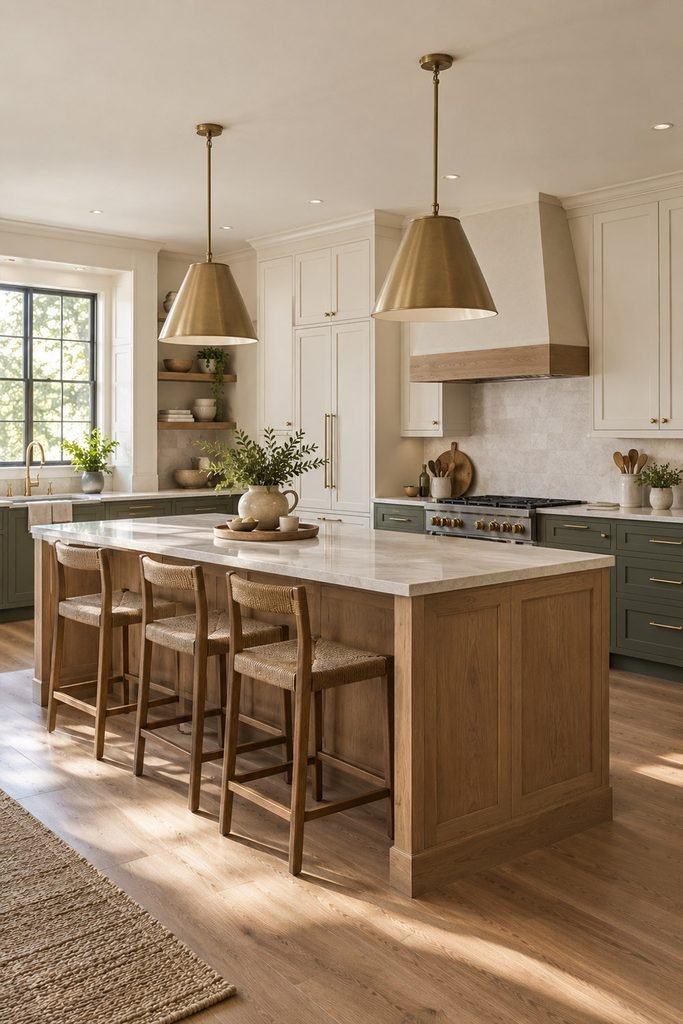
Two-tone cabinets can make a kitchen feel more custom without requiring complicated architectural changes. Try light upper cabinets paired with deeper lower cabinets, or combine painted cabinetry with a natural wood island. Olive green, muted blue, warm white, charcoal, and natural oak can all create a sophisticated contrast when balanced with simple countertops. Keeping one cabinet finish relatively quiet allows the second finish to become the visual feature without making the kitchen feel busy.
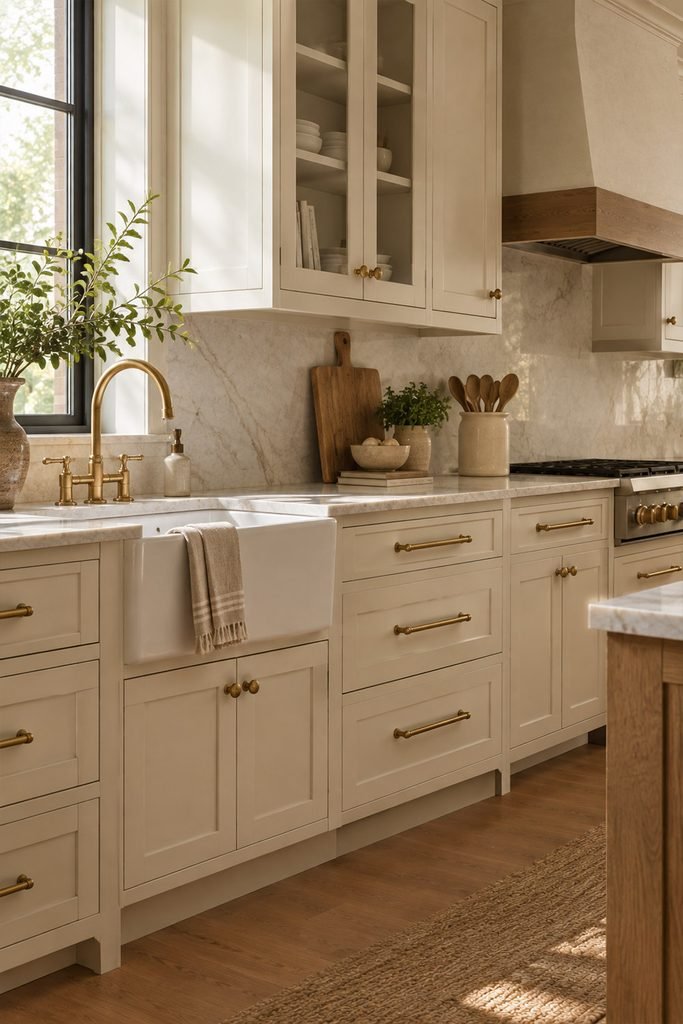
Changing cabinet hardware is one of the simplest ways to make a kitchen look more intentional. Long pulls can emphasize the clean lines of modern cabinetry, while smaller knobs or cup pulls can introduce a more traditional character. Brass creates warmth, black adds definition, and brushed nickel works well when you want a quieter finish. Keep the hardware consistent throughout the main cabinetry for a cohesive appearance.
👉 [ Shop Cabinet knobs on Amazon ]
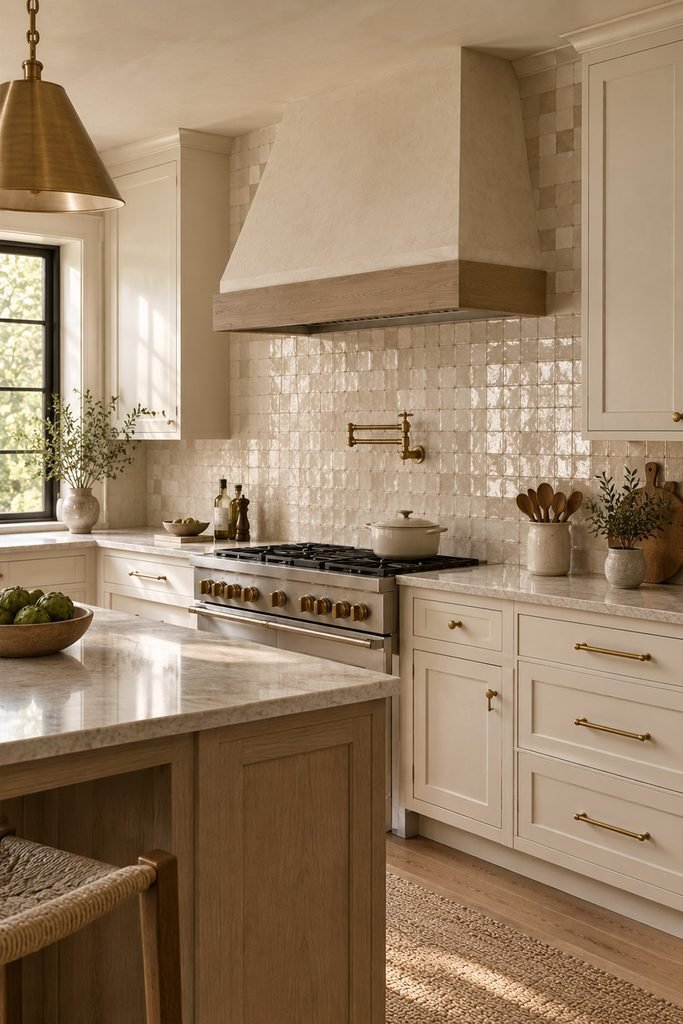
The backsplash is an opportunity to introduce texture, pattern, or color without overwhelming the entire kitchen. Classic subway tile can create a timeless backdrop, while handmade-look ceramic tile adds subtle variation and character. For a more contemporary kitchen, consider large-format stone or a slab backsplash that continues upward from the countertop. If the cabinetry is already detailed, a simple backsplash can provide balance; if the cabinets are minimal, a distinctive tile can become the focal point.
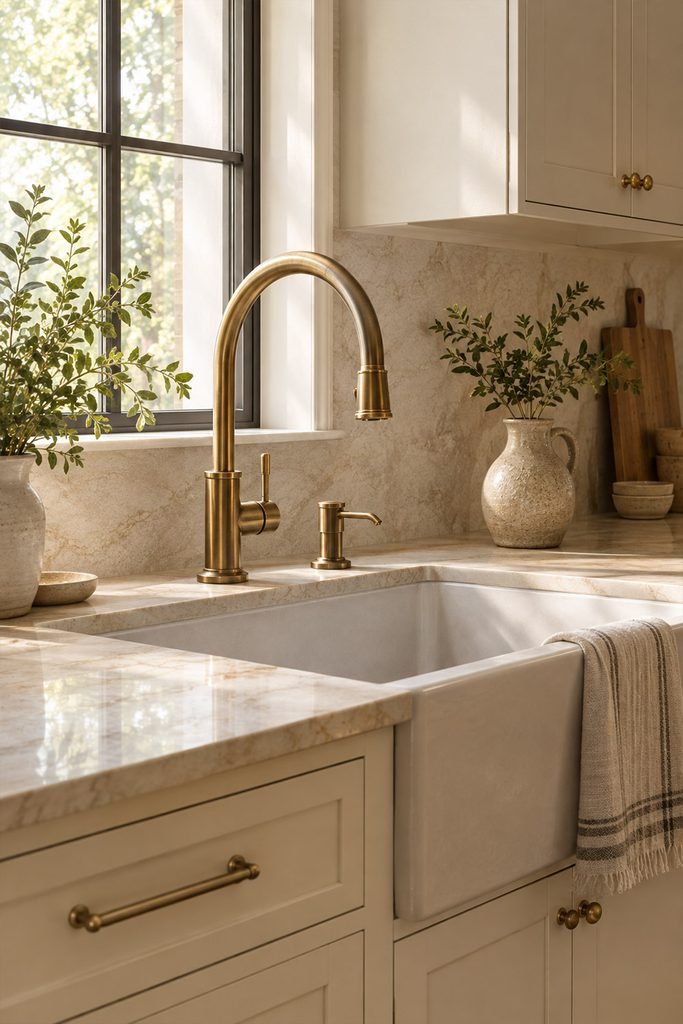
A kitchen faucet is used constantly, so it should combine practical function with a finish that complements the room. A sculptural gooseneck faucet can suit a modern kitchen, while a bridge-style design works beautifully in more traditional or transitional spaces. Consider the sink size, faucet reach, spray function, and finish before making a choice.
👉 [ Shop High-quality kitchen faucets on Amazon ]
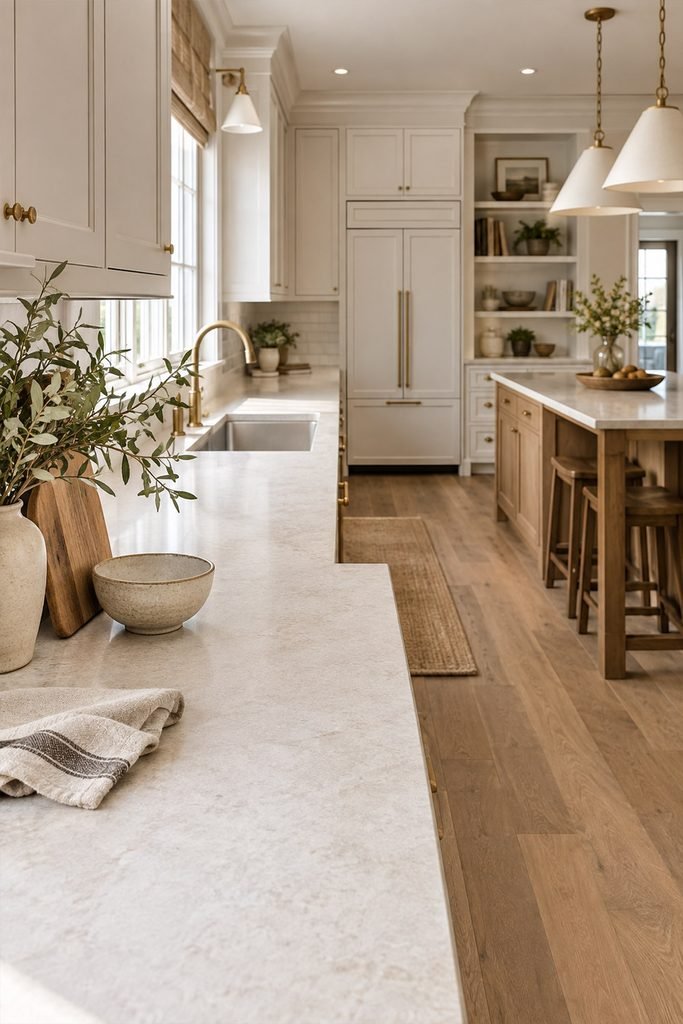
A kitchen can feel significantly more spacious when the countertops are not visually overloaded. Choose a countertop material that works with the cabinetry rather than competing with it. Quartz, natural stone, butcher block, and other durable surfaces can each create a different atmosphere. Instead of covering every available surface with decorative objects, leave generous areas clear for cooking and preparation. A small cutting board, ceramic vessel, or carefully arranged bowl can provide enough styling without sacrificing functionality.
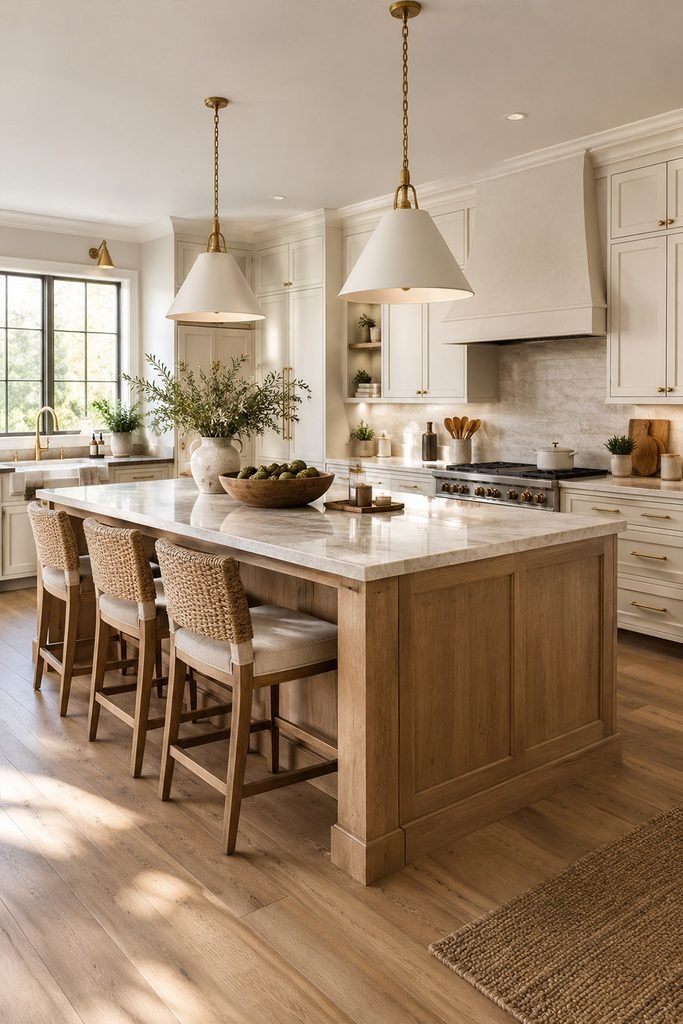
A kitchen island can serve as the visual and functional center of the room. If space allows, include generous preparation space, storage, seating, or even a secondary sink. For a stronger design statement, use a contrasting cabinet color or natural wood finish on the island while keeping the perimeter cabinetry simpler. Add comfortable counter stools if the island doubles as a casual dining area, making sure there is enough clearance for people to move around comfortably.
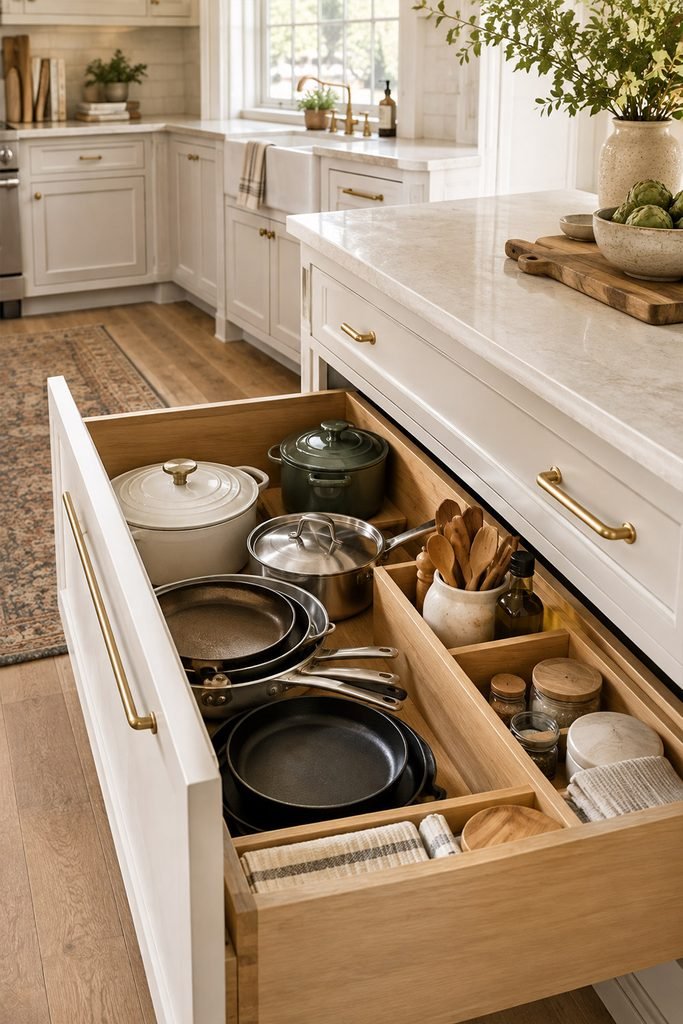
Good kitchen storage should make frequently used items easier to find rather than simply hiding everything behind cabinet doors. Use deep drawers for pots and pans, pull-out organizers for narrow spaces, vertical dividers for baking sheets, and dedicated areas for spices or cooking tools. A drawer organizer or adjustable cabinet storage system can make existing cabinetry work much harder without requiring a complete renovation.
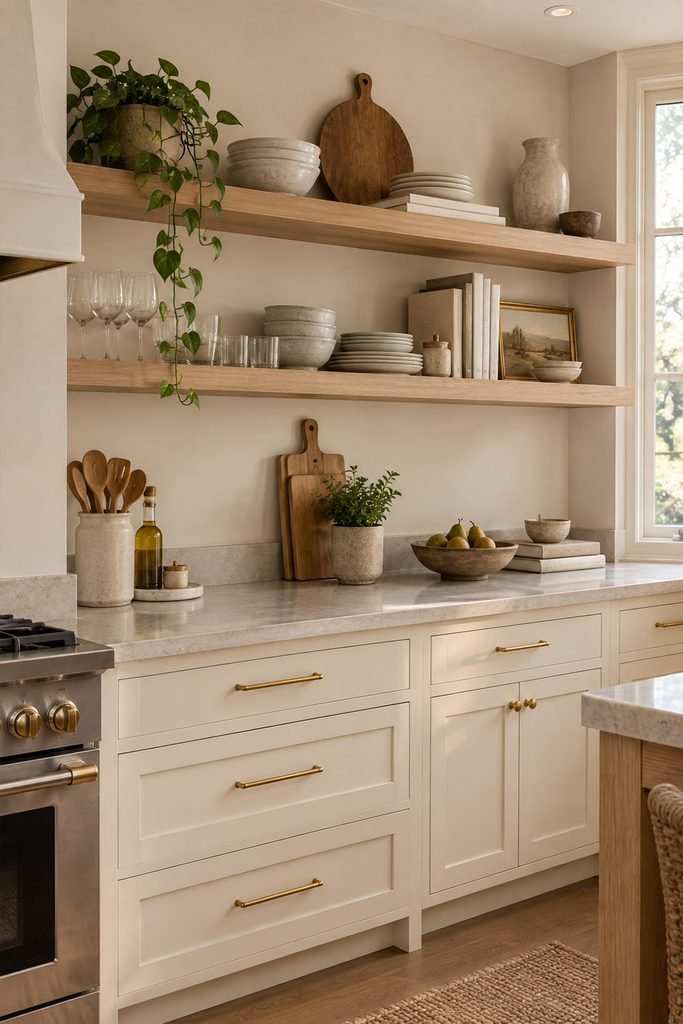
Open shelving can add warmth and personality to a kitchen, particularly when used in a small, intentional area rather than across an entire wall. Style shelves with a combination of everyday ceramics, wooden boards, glassware, cookbooks, and one or two plants or natural accents. Keep the color palette coordinated so the shelves look curated rather than cluttered. If you prefer a cleaner appearance, a single pair of floating shelves beside a range hood or sink can provide the same visual interest with less maintenance.
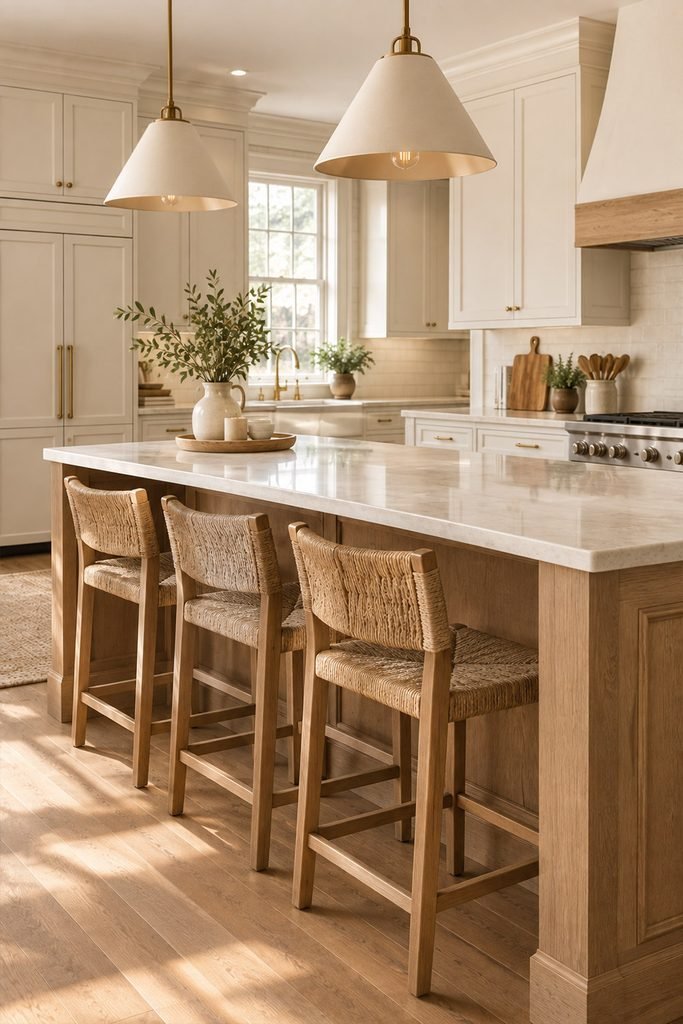
If your kitchen includes an island or breakfast counter, seating should be treated as part of the overall design rather than an afterthought. Choose stools that complement the cabinet and lighting finishes while adding another layer of texture. Upholstered seats can soften a contemporary kitchen, while wood or woven stools can bring a more relaxed natural feel.
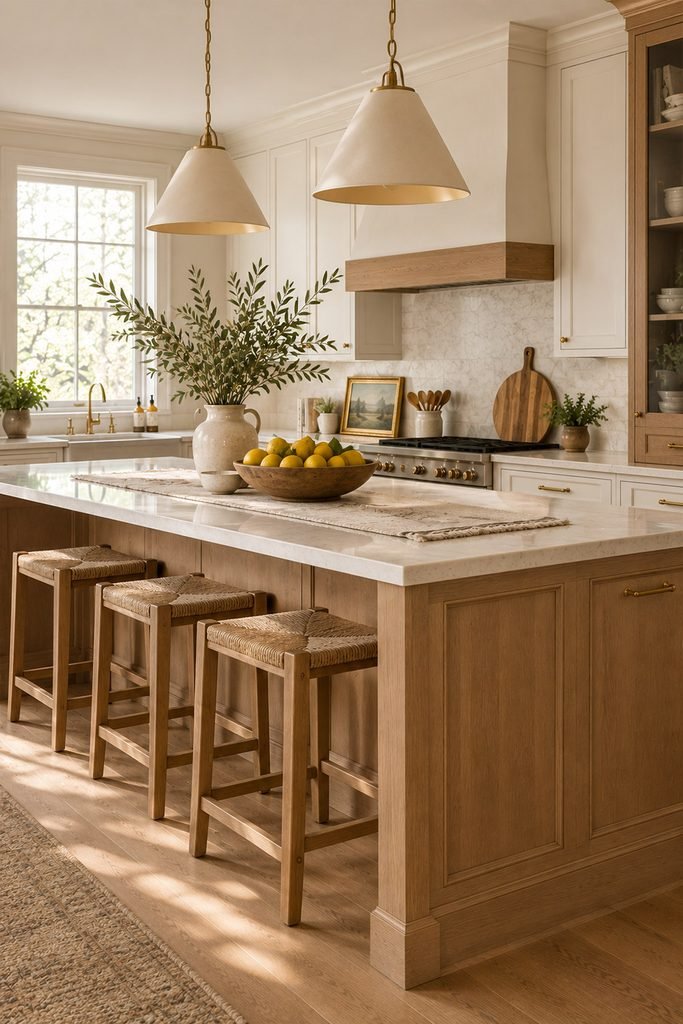
Once the major design elements are finished, use a few carefully chosen accessories to make the kitchen feel lived-in. A large wooden bowl filled with seasonal fruit, a ceramic vase with branches, a framed print leaning against the backsplash, or a small runner can add warmth without taking over the room. Repeat materials already present in the kitchen—such as wood, brass, ceramic, or woven textures—to create visual continuity. The goal is not to fill every empty surface but to add just enough personality to make the kitchen feel welcoming.
A beautiful kitchen does not depend on having the most expensive finishes or the largest footprint. Thoughtful planning, practical storage, layered lighting, cohesive materials, and a few carefully chosen decorative details can make almost any kitchen feel more polished and functional. Start with the elements that affect everyday use, then build the visual character through cabinetry, hardware, lighting, backsplash materials, seating, and restrained styling.