Address
304 North Cardinal St.
Dorchester Center, MA 02124
Work Hours
Monday to Friday: 7AM - 7PM
Weekend: 10AM - 5PM

Address
304 North Cardinal St.
Dorchester Center, MA 02124
Work Hours
Monday to Friday: 7AM - 7PM
Weekend: 10AM - 5PM

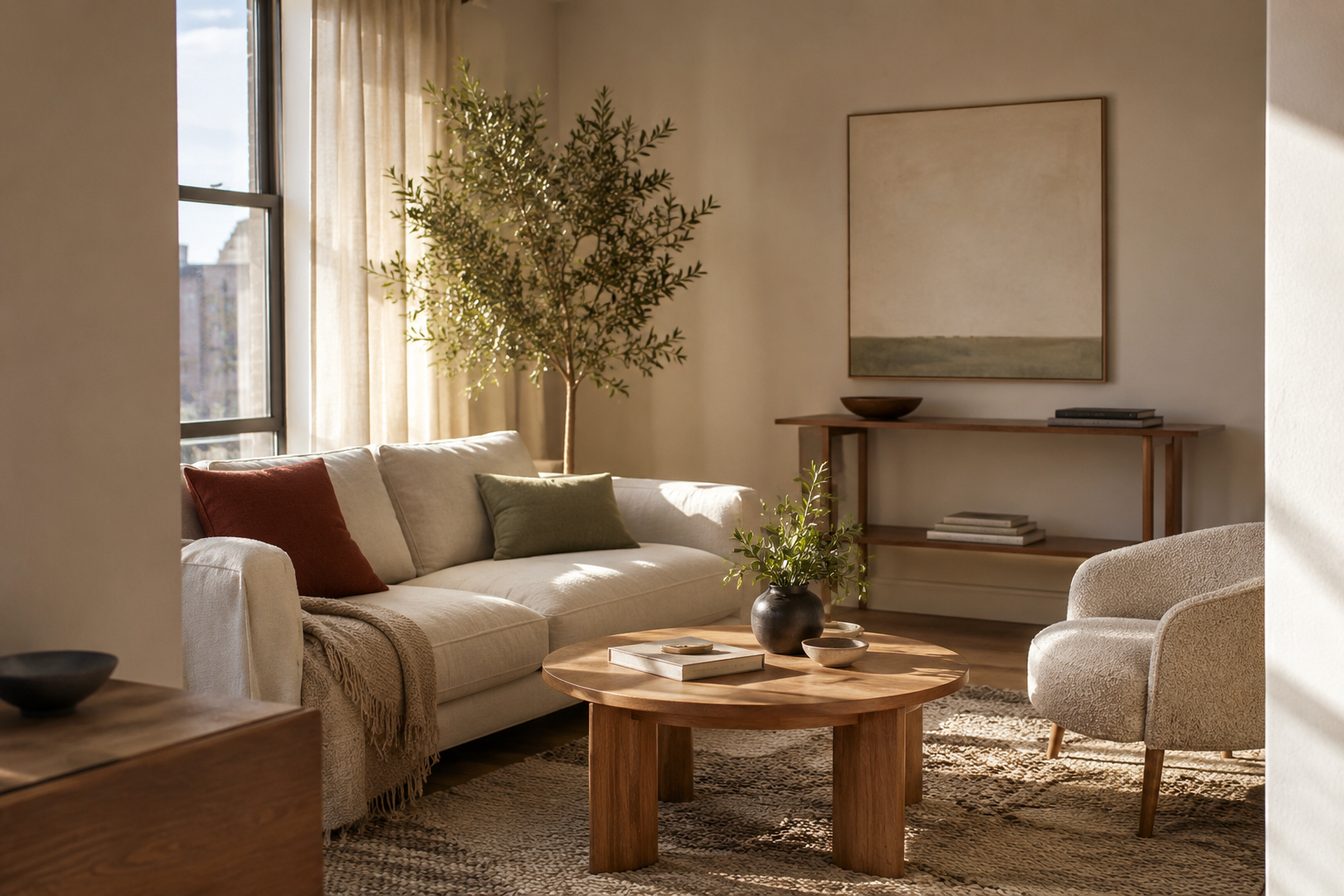
Decorating an apartment can be challenging when you are working with limited square footage, rental restrictions, or rooms that need to serve more than one purpose. The right furniture, colors, lighting, and layout can make even a compact apartment feel comfortable and thoughtfully designed.
These apartment room ideas focus on realistic ways to make each space more functional and inviting without making it feel crowded. From cozy living rooms and peaceful bedrooms to practical entryways and flexible workspaces, these ideas can help you create an apartment that feels like home.
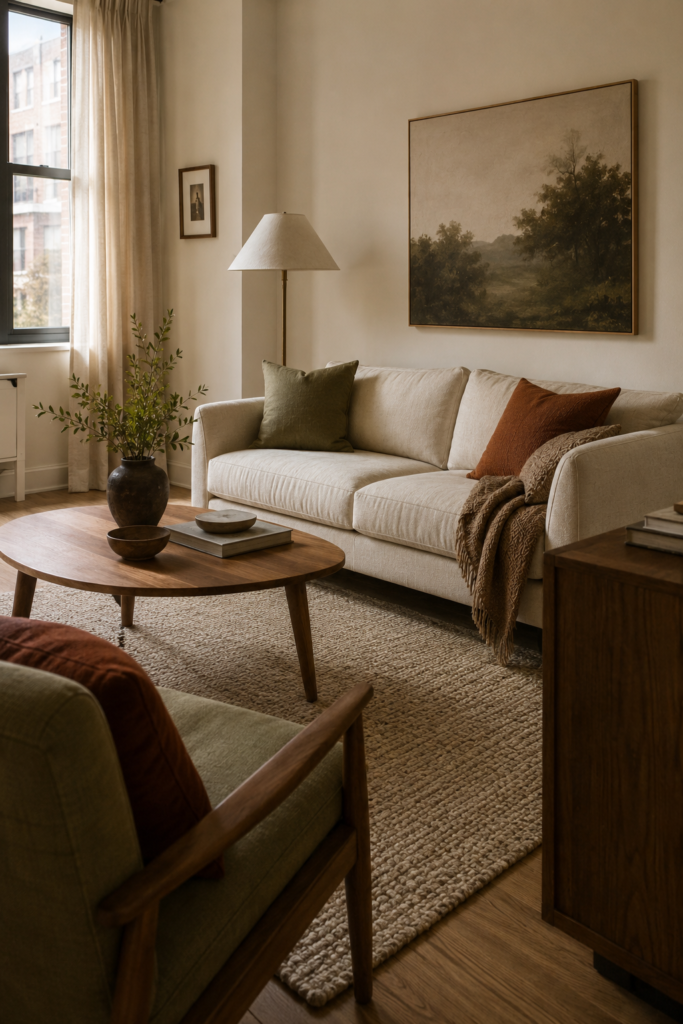
A comfortable living room starts with choosing furniture that fits the scale of the space. A compact sofa, lightweight coffee table, and one comfortable accent chair can provide plenty of seating without making the room feel crowded. Add a textured rug, warm wood accents, and a few carefully chosen pieces of artwork to give the room personality. Keeping the larger furniture neutral also makes it easier to change the look with pillows and throws.
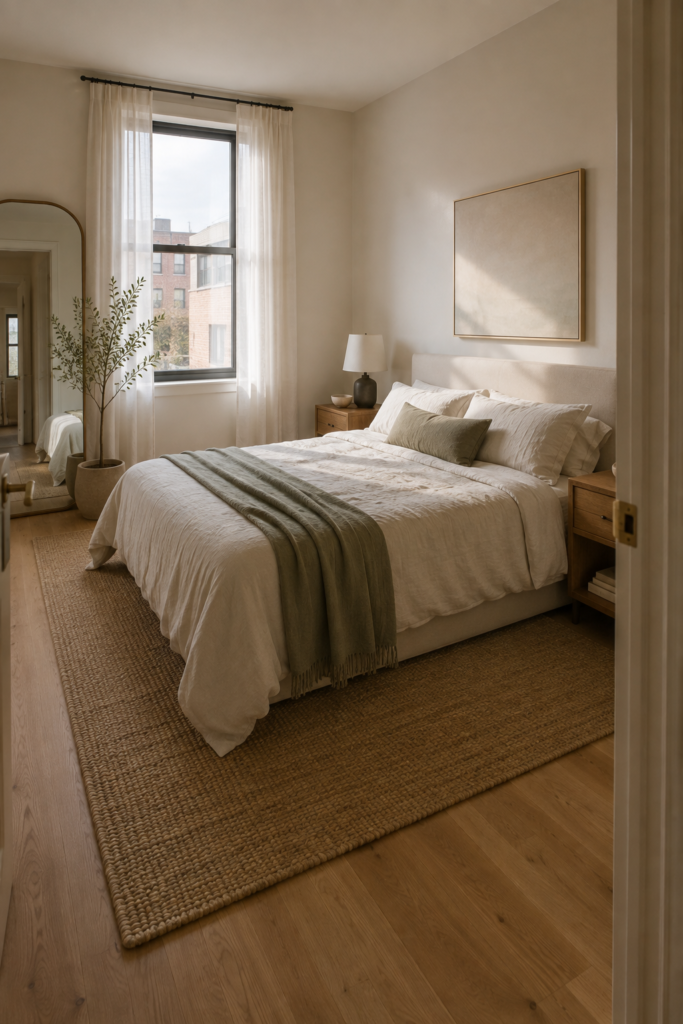
A small apartment bedroom can feel much larger when the layout is kept simple and the furniture is carefully scaled. Choose a bed with a streamlined frame and use narrow nightstands or floating shelves to save floor space. Light bedding, soft curtains, and a limited color palette can help create an airy atmosphere. A large mirror positioned near a window can also reflect light and make the room feel more open.
10 Small Bedroom Decor Ideas to Make the Most of Your Space
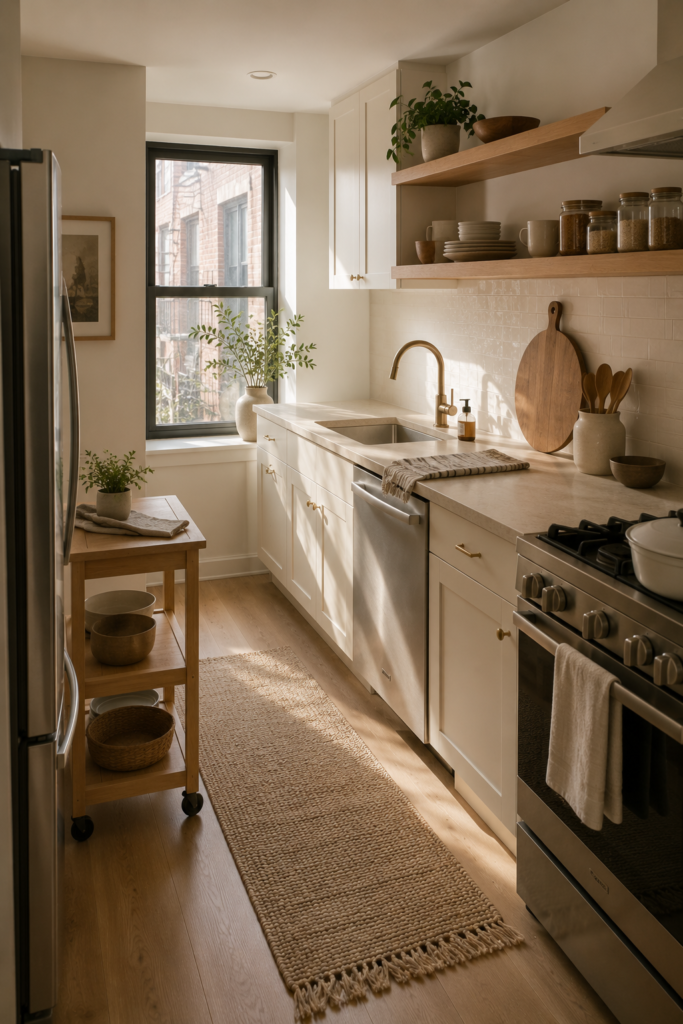
Even a small kitchen can feel organized and attractive when everyday items are thoughtfully arranged. Use open shelving, wall-mounted storage, or a slim rolling cart to make better use of vertical space. Keep countertops relatively clear and display only the items that add both function and visual interest. Natural wood, ceramic containers, and warm textiles can make a compact kitchen feel more inviting.
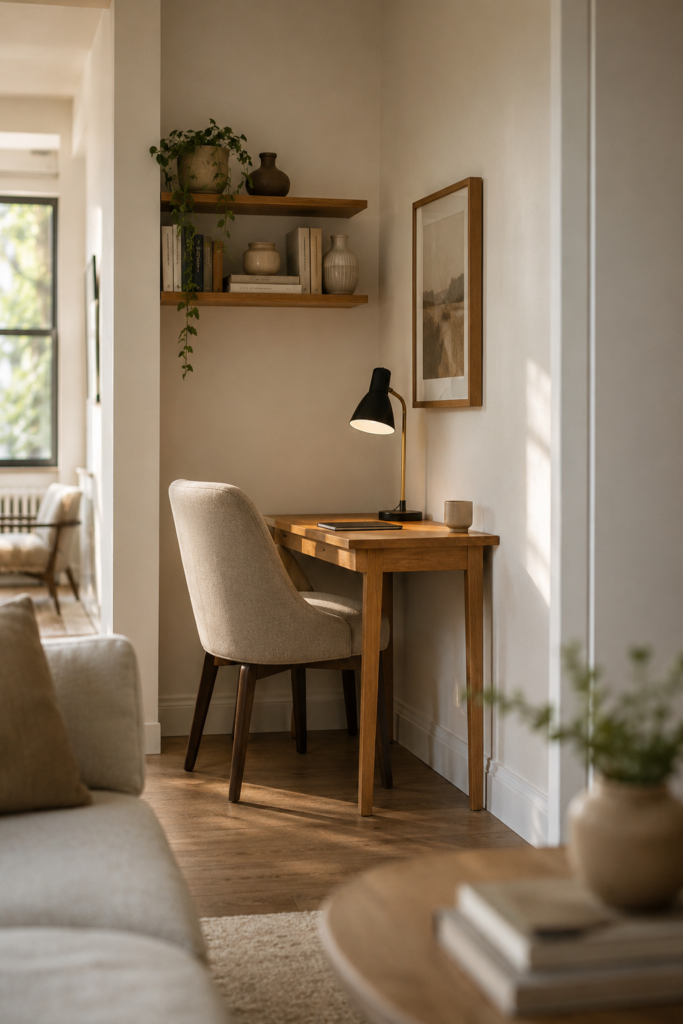
An unused corner of an apartment can become a practical workspace without requiring an entire room. A narrow desk paired with a comfortable chair can fit beside a window, behind a sofa, or along an empty hallway wall. Add a small shelf or pegboard above the desk for vertical storage while keeping the surface uncluttered. A desk lamp, artwork, and one small plant can make the workspace feel like a natural part of the home.
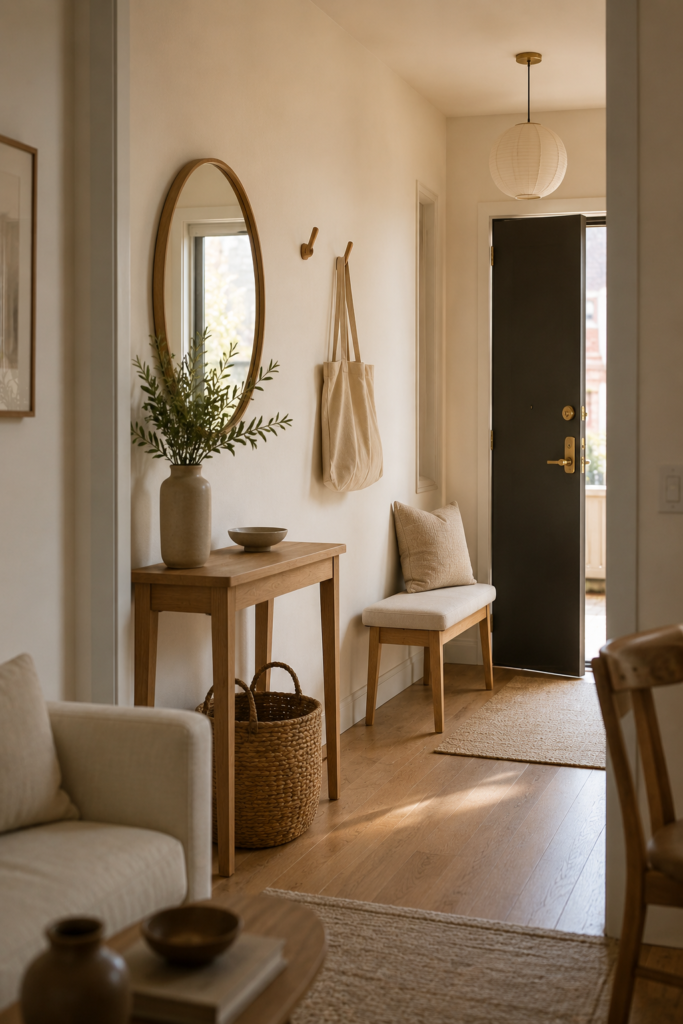
Even a small entryway deserves attention because it is the first part of the home you see. A slim console, wall hooks, and a small bench can provide useful storage without taking up much floor space. Add a mirror, a woven basket, or a small piece of artwork to make the area feel finished. Keeping shoes, bags, and everyday items organized will also help the rest of the apartment feel less cluttered.
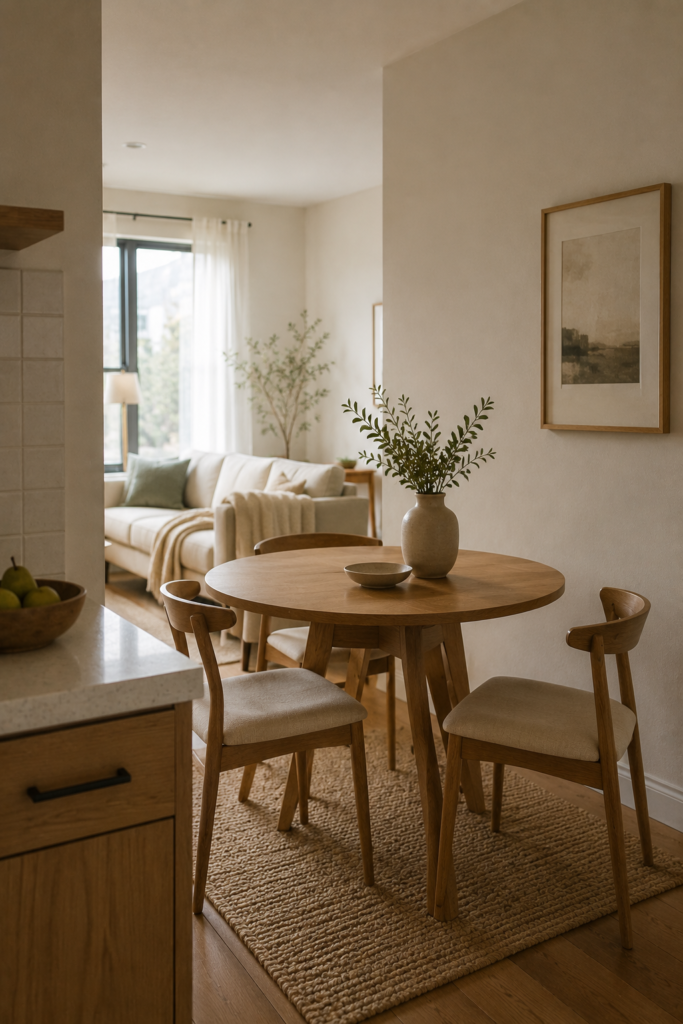
A dining area does not need a large table to feel intentional. A small round table can work especially well in apartments because it allows easier movement around the room. Pair it with comfortable chairs, a simple pendant light, and a small centerpiece such as a ceramic vase or bowl. A nearby rug or artwork can visually define the dining area when it shares space with the living room.
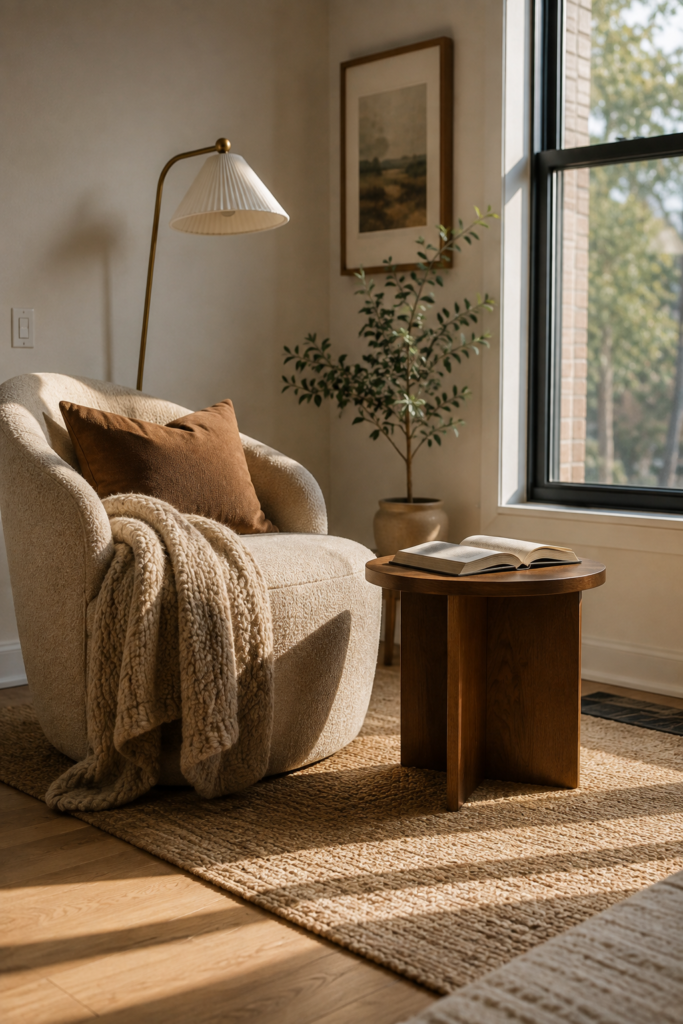
A quiet reading corner can turn an otherwise unused part of an apartment into one of the most enjoyable spaces. Place a comfortable chair beside a small side table and add a floor lamp or portable reading light. A soft rug and a small stack of books can make the area feel more personal without requiring much space. Position the chair near a window whenever possible to take advantage of natural light.
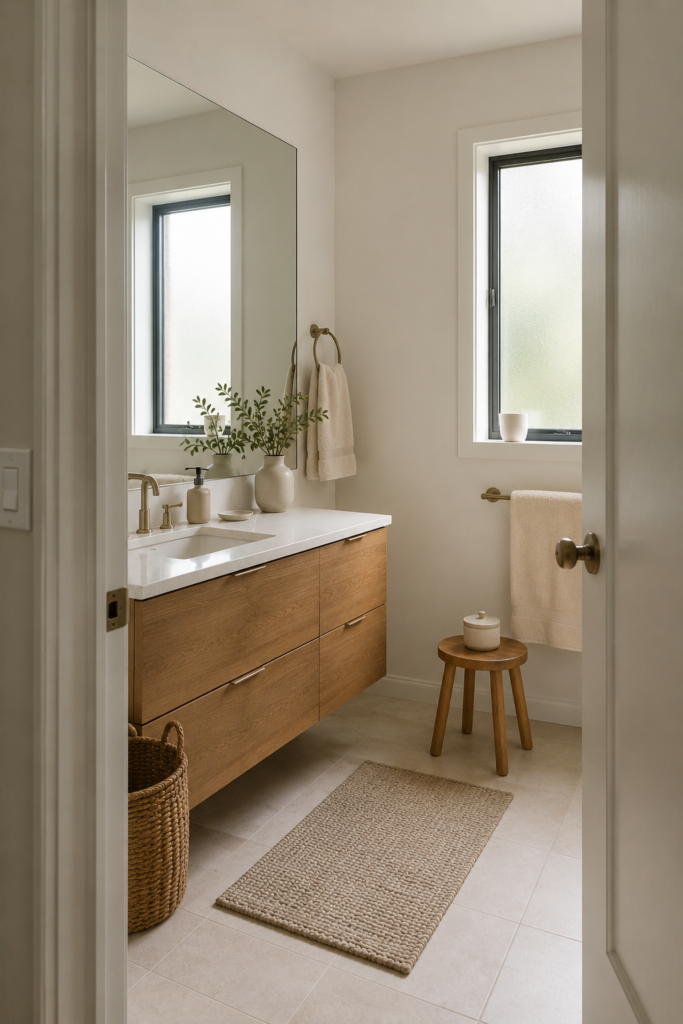
Small bathrooms can benefit from simple visual changes that make them feel lighter and less crowded. Use light-colored towels, streamlined storage, and a large mirror to create a sense of openness. Floating shelves or narrow cabinets can provide useful storage without taking over the floor area. A few natural materials, such as wood accessories or woven baskets, can add warmth while keeping the room simple.
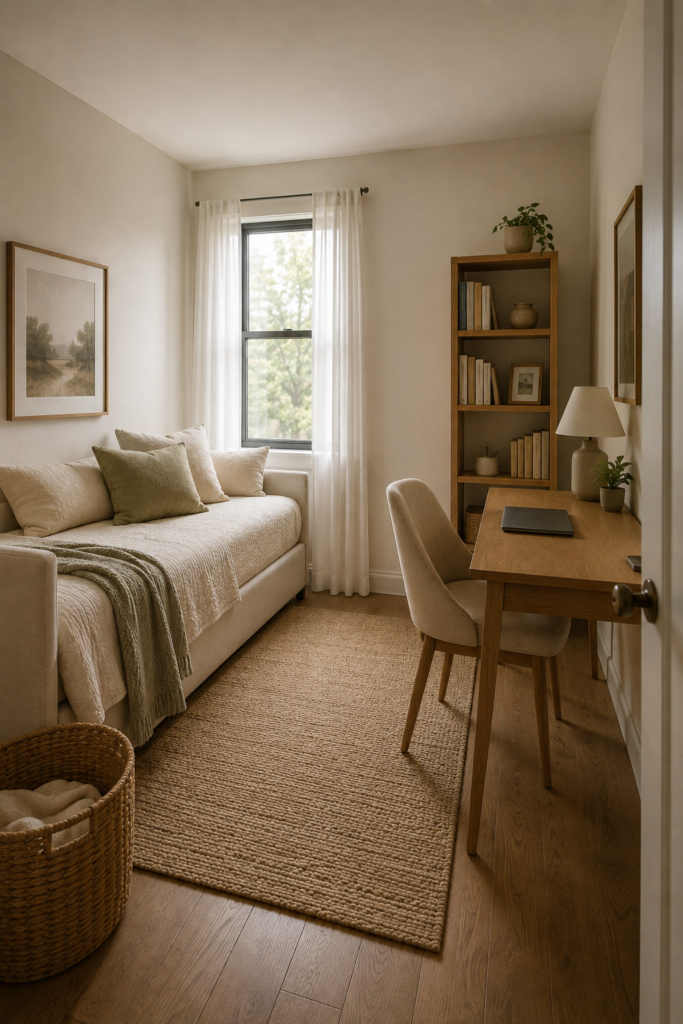
If your apartment has an extra room, consider designing it to serve more than one purpose. A sleeper sofa or daybed can provide occasional sleeping space while leaving room for a desk or hobby area. Use lightweight furniture that can be moved easily when the room needs to change functions. Keeping the color palette cohesive will help the different uses feel connected rather than competing with one another.
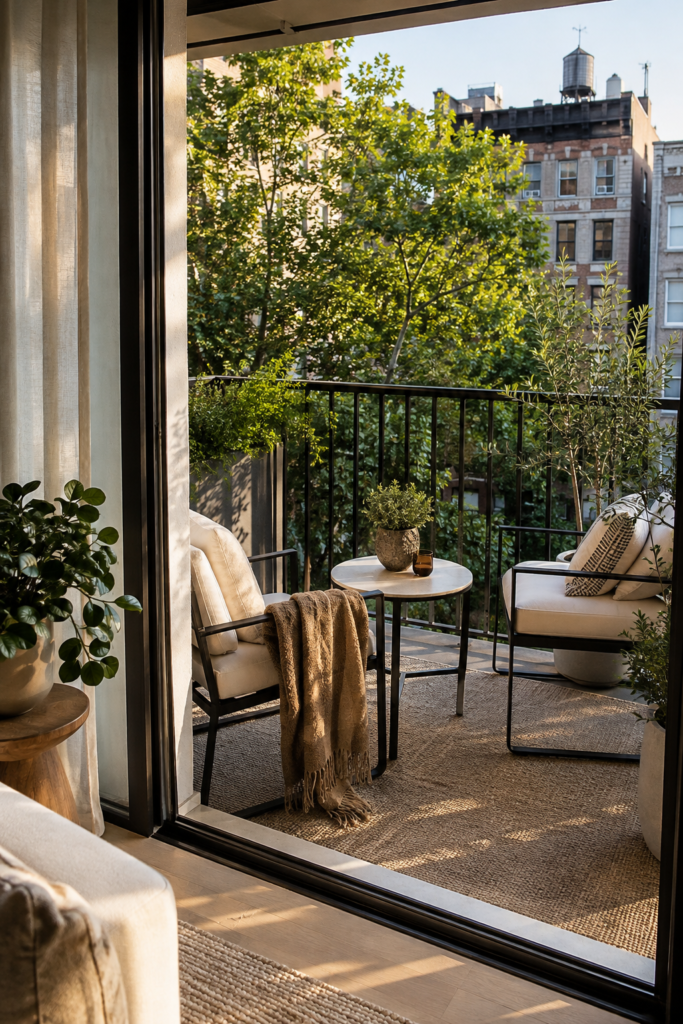
A balcony can function almost like an additional room when it is furnished thoughtfully. Add compact seating, an outdoor rug, greenery, and a small side table to create a comfortable place to relax. Use furniture that fits the balcony proportions and leave enough open space for easy movement. Warm lighting can make the area especially inviting in the evening.
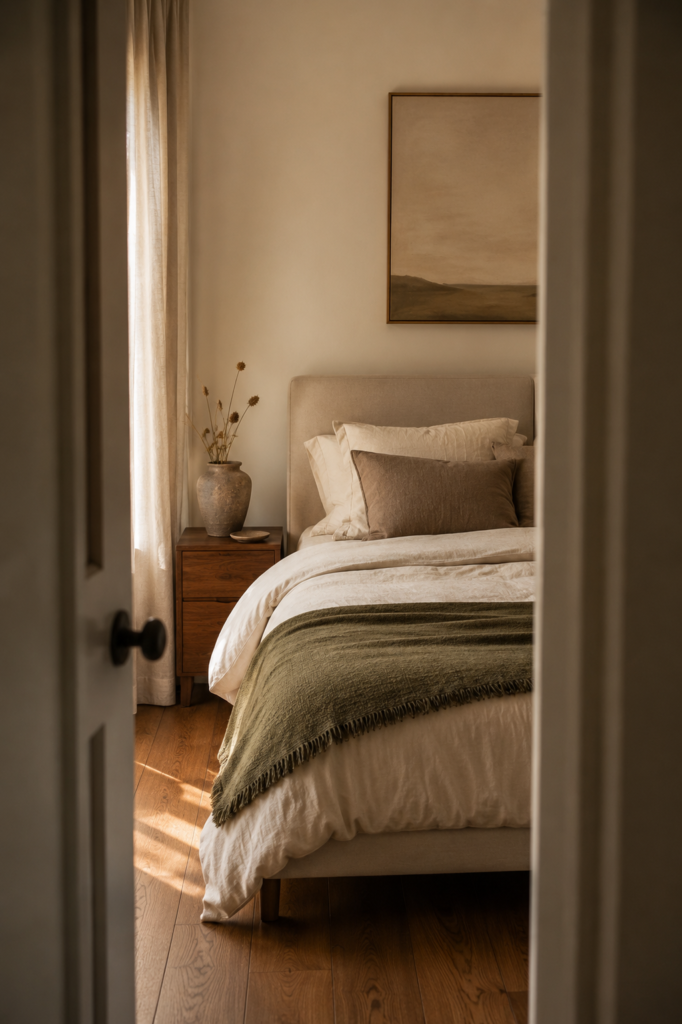
An apartment bedroom can feel more relaxing when the decor focuses on softness and fewer visual distractions. Layer natural bedding, textured blankets, warm curtains, and subtle artwork to create a comfortable atmosphere. Keep bedside surfaces simple and use warm wood or woven accents to introduce natural texture. A restrained palette of cream, taupe, olive, or muted terracotta can make the room feel calm without becoming boring.
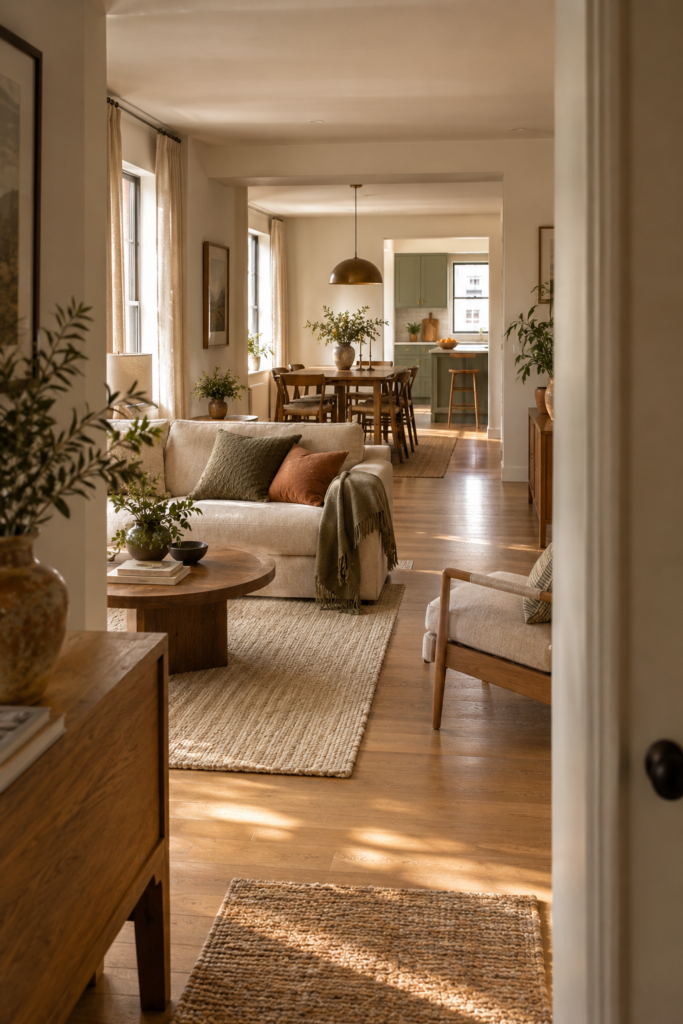
The rooms in a small apartment tend to feel more connected when they share a consistent design language. You do not need every room to look identical, but repeating materials, colors, or finishes can create a natural flow. For example, warm wood, cream textiles, and muted earthy accents can appear throughout the living room, bedroom, kitchen, and entryway. This approach makes the apartment feel intentionally designed rather than like a collection of unrelated rooms.
The best apartment room ideas balance style with the realities of everyday living. Instead of trying to fill every available corner, focus on furniture that fits your space, storage that keeps clutter under control, and decor that reflects your personality.
Whether you are decorating a studio, a compact one-bedroom, or a larger apartment, small thoughtful changes can make each room feel more comfortable and functional. A cohesive color palette, natural textures, good lighting, and carefully chosen furniture can turn an ordinary apartment into a home that feels personal and inviting.